
2026 Fall Fellowships
Each semester, faculty and staff are invited to submit proposals for collaboration with OEIA, CITL and ITS staff on various aspects of their pedagogy and research with the goal of providing access to staff and technology resources to enhance and advance their teaching.
For the Spring 2026 semester, we encouraged proposals in seven particular areas:
- Problem- and Project-based Learning,
- Interdisciplinary Learning Experiences,
- Generative AI as a Pedagogical Tool,
- Game-based Learning,
- Harnessing XR/VR Technologies,
- Integrating Data Visualization Strategies,
- Writing Across the Curriculum.
2026 Fall Fellows
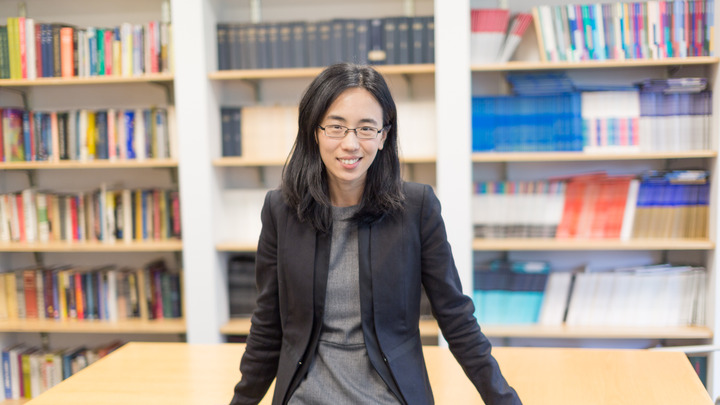
Haiyan Jia, Ph.D.
The curriculum will integrate advanced human-AI interaction frameworks and emphasize AI literacy as a critical civic capacity. Pedagogical efforts will focus on technical upskilling and the application of Generative AI to support inclusive, student-centered learning environments.
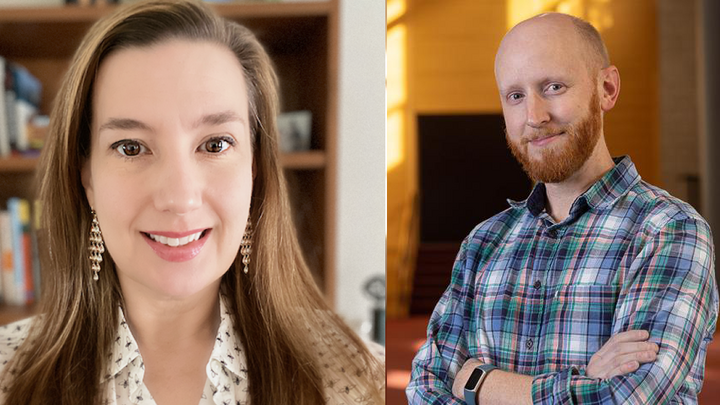
Brooke Rollins, Ph.D. and Will Lowry, MFA
This fellowship focuses on bringing humanities-based game studies theory together with theatre-based practices to explore the social, cultural, and theoretical role of gaming in human life and to creatively apply this knowledge in the form of game play, game design, and ludological inquiry.
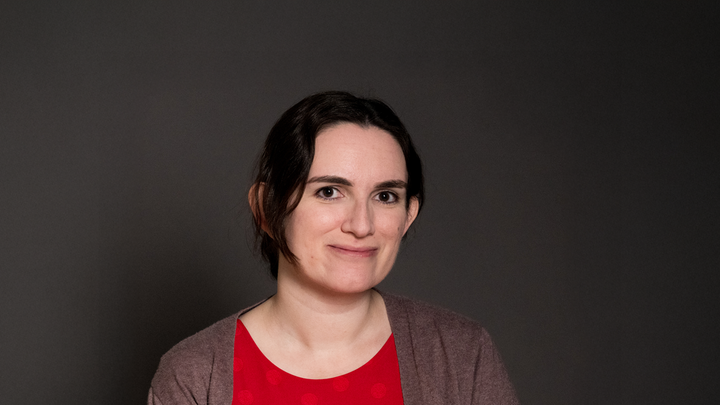
Jenny Kowalski, MFA
This fellowship focuses on integrating game-based learning into web design to help foster student engagement. Students will be creating interactive fiction in Twine to better understand file structure, linking, typographic layout, and visual design.
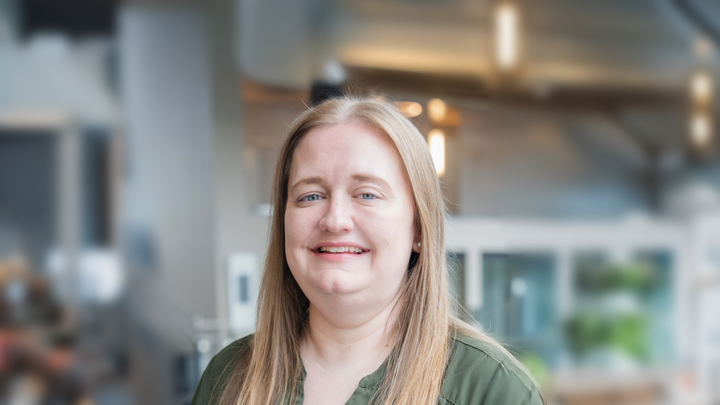
Jessica Harbaum M. Ed.
Utilizing the interactive fiction platform Twine, students will write a “What If?” memoir. This choice based narrative will have students consider how small decisions could impact futures.
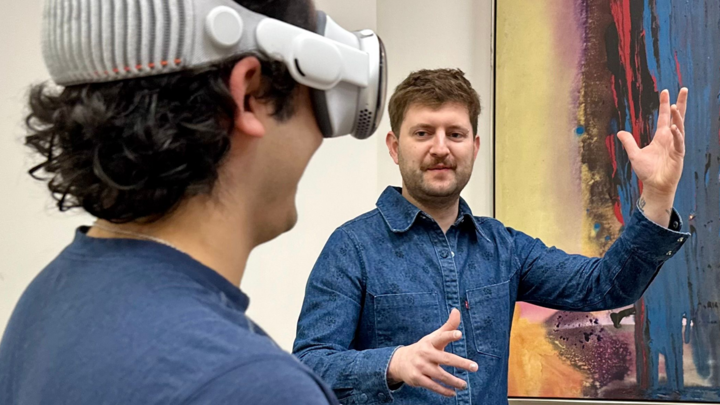
Joseph Amodei, MFA
The fellowship will support the development of a new, studio-based course that uses game-centered pedagogy to help first-year students explore how play, creativity, and values shape the social, cultural, and technological worlds they inhabit.
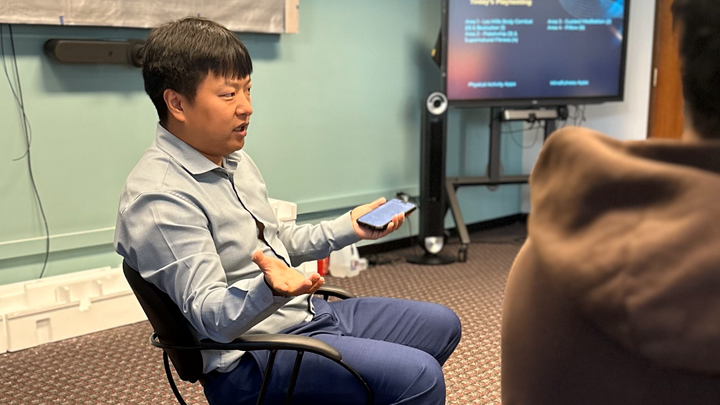
Jong Cheol Shin, Ph.D.
The goal of this faculty fellowship is to transform students from passive users of technology into active designers of solutions for real-world public health challenges.
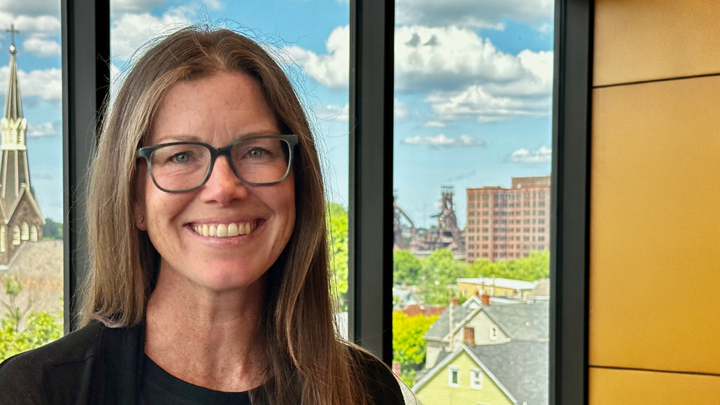
Stephanie Prevost, J.D., MLIS
The goal of this fellowship is to update and improve an existing interactive contract negotiation simulation assignment with Twine and H5P education, testing, and prototyping, along with quality improvement of existing video assets.
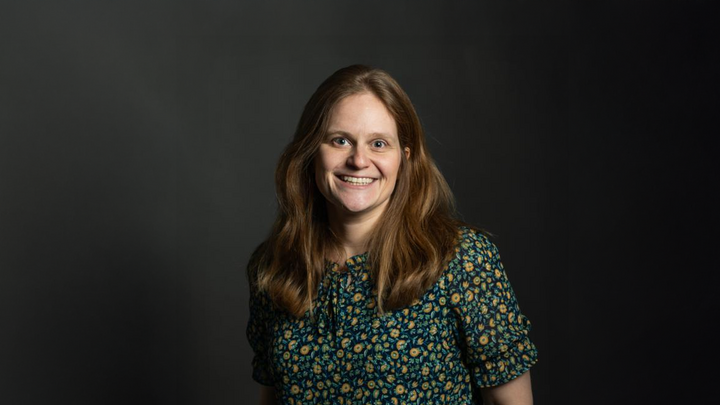
Kayleigh O'Keeffe, Ph.D.
Building on prior successful interventions in metacognitive learning strategies, this initiative focuses on using AI—specifically tools like Google Gems—to facilitate personalized exam debriefs that help students identify and address knowledge gaps.

Anastasia Selivanova, Ph.D. Candidate
The curriculum redesign for Intermediate Russian aims to transform the integration of generative AI from a passive, corrective tool into a robust pedagogical scaffold that enhances writing development.

Lawrence Tartaglia, Ph.D.
The modification to the Genetics curriculum aims to elevate AI integration by transitioning from passive interaction to active system design, clinical simulation, and critical evaluation.
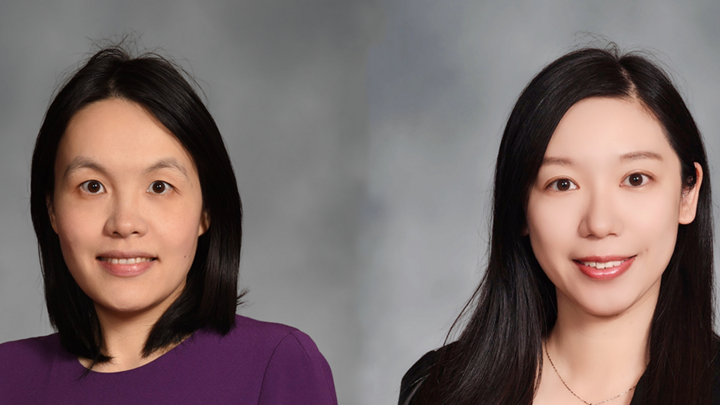
Beibei Dong, Ph.D. & Haoyan Sun, Ph.D.
The initiative seeks to refine pedagogical strategies for integrating generative AI into higher education, moving beyond incidental usage toward intentional, structured collaboration.
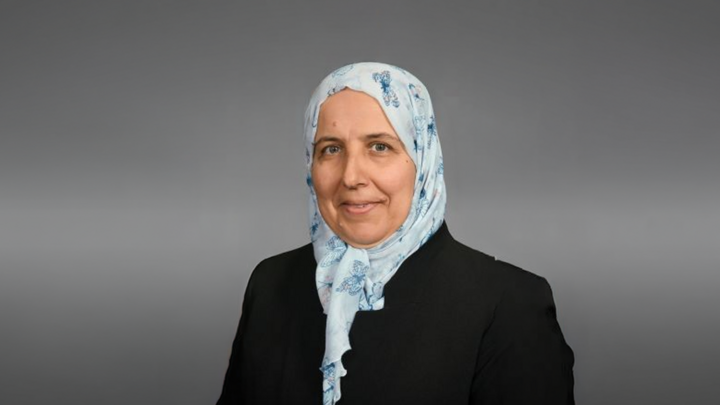
Houria Oudghiri, Ph.D.
The proposed intervention seeks to integrate generative AI as a pedagogical tool to facilitate greater student agency and ownership of the learning process, the modification aims to foster intrinsic motivation.
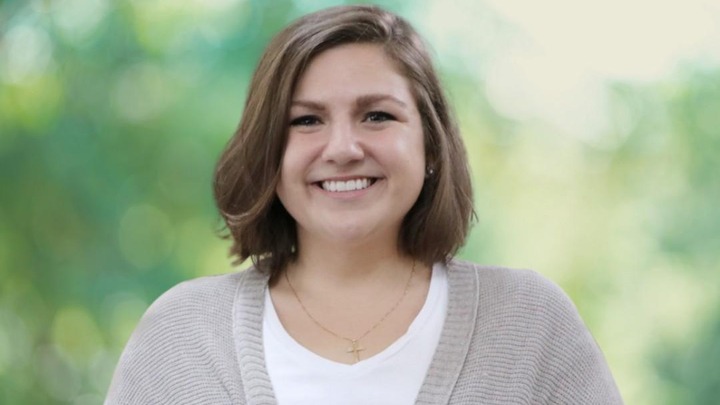
Kallie Pearl, Ph.D.
By implementing structured, custom-built GPT-based teaching assistant modules, the initiative aims to provide personalized support for computational thinking and problem-solving exercises throughout the semester.
Wandi Wang, Ph.D.
In The Five Senses in Traditional China, students will create a podcast that investigates audio sensory experiences that carry a personally significant meaning for them. In Gastronomy in Chinese Literature, students will produce food diary videos and multimedia cookbook projects.
Allison Zengilowski, Ph.D.
Reimagining some of the project based opportunities to increase student engagement with the metacognitive course materials. Students will take the lessons from this course to create materials for the benefit of other Lehigh students.
Hugo Ceron Anaya, Ph.D.
With the rise of AI rendering previous instructional methods for encouraging reading, writing, and classroom participation ineffective, the project aims to develop a modern, robust iteration of these engagement strategies.
Whitney Blocher McTigue, Ph.D.
Curriculum modifications aim to address lack of sufficient hands-on engagement by incorporating project-based learning, specifically introducing practical, inquiry-driven activities that translate theoretical concepts into tangible experiments.
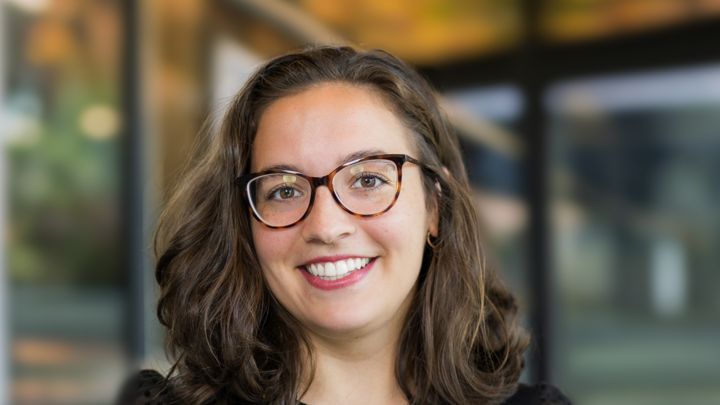
Krista Liguori, Ph.D.
Through problem-based approaches to learning, students will take part in gamified activities and XR experiences that engage with the material in a meaningful way, aiming to develop foundational knowledge and skills that will serve them throughout their time at Lehigh.

Teresa Cusumano, M.A.
Students will produce a multimodal project which will engage them in archival research to compose a formal narrative essay and then transform it into a high-production digital rendition. This project shifts the writing process from an abstract academic task into a scaffolded, creative performance.
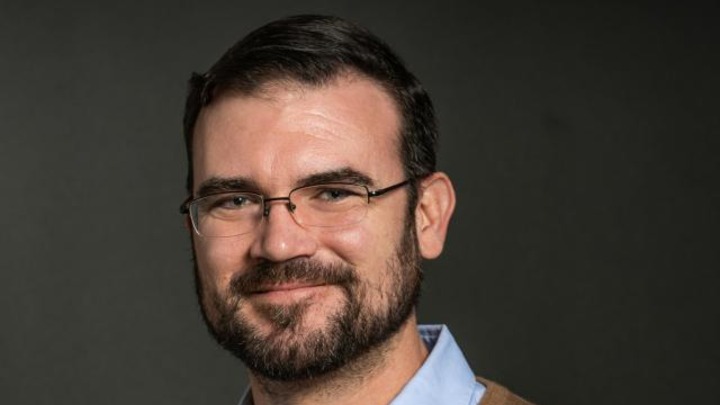
Patrick Cox, Ph.D.
Students will have the opportunity to develop hands-on experience in the lab with tools and data to foster deeper understanding through transformative learning. Their studies will culminate in a multimedia project to relay their research findings to their audience.

Edward Whitley, Ph.D.
The modification seeks to integrate hands-on spreadsheet training facilitated by expert staff, grounding the course in the synthesis of "codework"—the functional application of digital tools—and "carework"—the essential labor involved in curating and organizing data.

Mike O'Neill, M.A.
Teach students effective ways that AI augments their writing and critical thinking without replacing it. Collaborating with CITL staff to envision ways students can utilize prompt engineering through Gemini and other emerging tools.
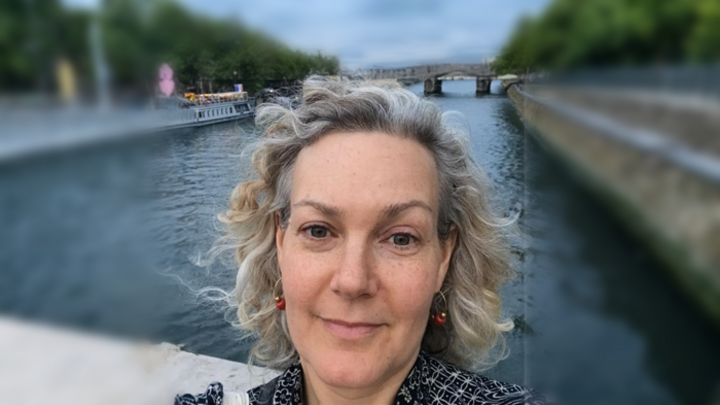
Annabella Pitkin, Ph.D.
Cultivate student habits of deep reading and daily writing through daily journaling, creative reading-process assignments, metacognitive writing-reflection exercises, an inquiry based scaffolded writing assignment, and a series of experiential learning/reflection activities.